

Huatai Intelligent Equipment Group, a leading Chinese manufacturer of oil processing machinery, recently announced the successful delivery of a complete copra oil processing line to Indonesia. The line covers the entire process from screw oil press pressing to oil refining equipment, marking a …

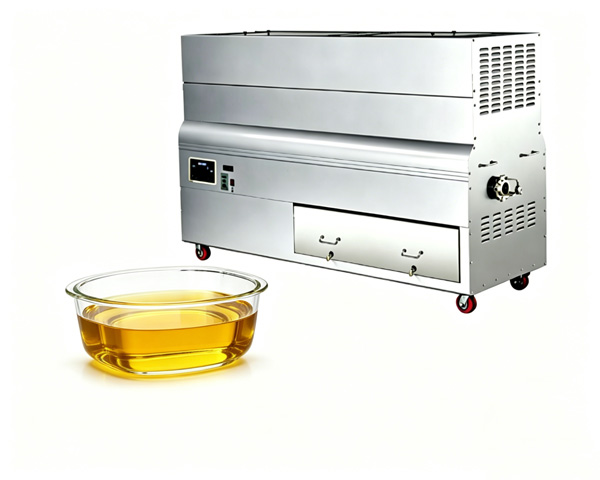
Cold-Pressed Oil vs Refined Oil: A Complete Comparison of Process, Nutrition, Flavor, and Applications
In the edible oil market, cold-pressed oil and refined oil are the two most common product types. Each has its own characteristics and is suitable for different cooking needs and health goals. So what exactly is the difference between cold-pressed and refined oils? Which one is right for you? …
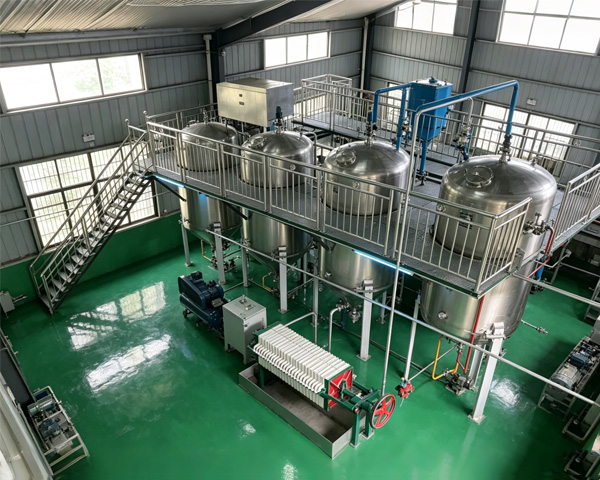
Palm Kernel Oil Bleaching Process Explained: Adsorption Bleaching Principle and Refining Equipment Selection Guide
In the refining process of palm kernel oil, bleaching is a key step that determines the appearance quality and market value of the finished oil. Unrefined crude palm kernel oil contains various pigments and impurities, resulting in a dark color and poor stability. Only through a scientifically…
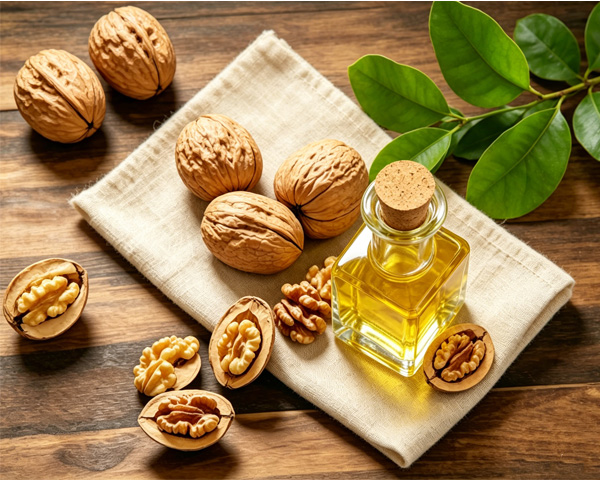
From Crude Oil to Premium Oil: A Detailed Guide to Walnut Oil Refining Equipment and Process
Walnut oil is loved by consumers for its rich nutritional value (high unsaturated fatty acids, vitamin E, etc.) and unique flavor. However, whether obtained by cold pressing or hot pressing, crude walnut oil contains impurities such as phospholipids, free fatty acids, pigments, odorous substan…
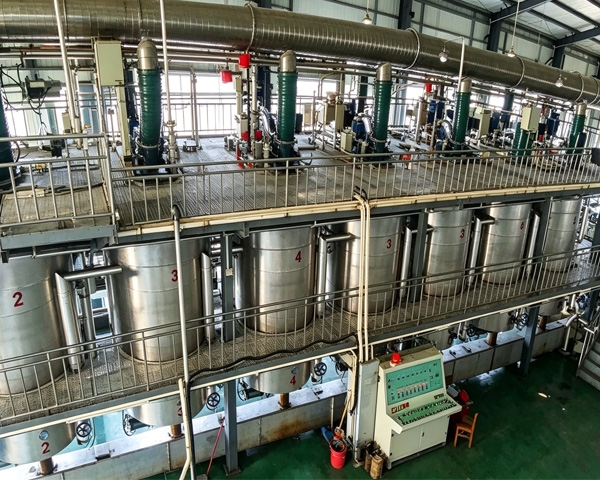
Canola Oil Refining Process Guide: Degumming, Deacidification, Bleaching, Deodorization Explained
Canola oil is one of the most consumed edible oils in the world, popular among households and the food industry. However, the “crude oil” obtained directly from pressing or extracting canola seeds contains various impurities such as phospholipids, free fatty acids, pigments, and mo…