

Canola Oil Refining Process Guide: Degumming, Deacidification, Bleaching, Deodorization Explained
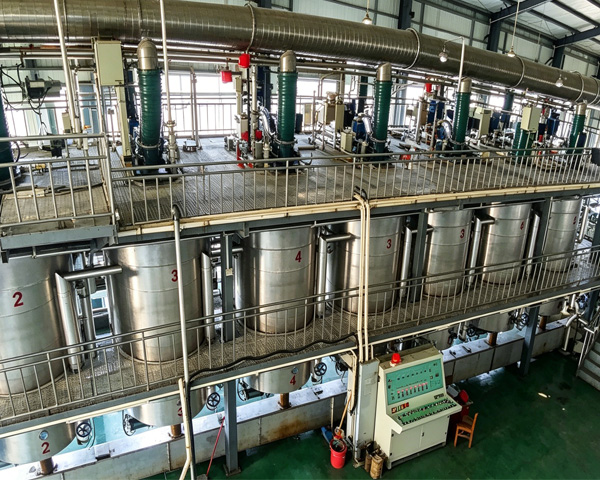
Canola oil is one of the most consumed edible oils in the world, popular among households and the food industry. However, the “crude oil” obtained directly from pressing or extracting canola seeds contains various impurities such as phospholipids, free fatty acids, pigments, and moisture. These impurities not only affect the flavor and color of the oil but also reduce its stability and shelf life. Therefore, canola oil refining has become an essential step in producing high-quality finished oil.
This article will take you through the four core processes of canola oil refining: degumming, deacidification, bleaching, and deodorization, and introduce the key equipment used in each step, helping you better understand how an edible oil refining production line works.
1. Degumming: Removing Phospholipids to Prevent Oil Cloudiness
Why Degumming?
Crude oil contains colloidal impurities, the most important of which are phospholipids. The presence of phospholipids can cause black precipitation, foaming, and bitterness when the oil is heated, while also making the oil cloudy, affecting its appearance and taste.
Degumming Principle:
Degumming typically uses water degumming or organic acid-assisted degumming. By adding hot water or dilute acid to the crude oil, phospholipids absorb water, swell, and agglomerate into gum particles, which are then removed by sedimentation or centrifugal separation.
Common Equipment:
– Water degumming tank
– Centrifugal separator
– Degumming equipment (complete system)
For flavorful canola oil that needs to retain its natural taste, oil mills often choose only water degumming and sedimentation filtration without further over-refining. This requires canola oil refining equipment to have flexible process combinations.
2. Deacidification: Removing Free Fatty Acids to Improve Oil Stability
Why Deacidification?
Free fatty acids (FFA) are the main substances that cause oil rancidity and off-flavors. High-acid-value oil not only tastes bad but also has a short shelf life and is unhealthy.
Deacidification Principle:
There are two main methods of deacidification:
– Alkali refining method: Adding alkali solution to neutralize free fatty acids, forming soapstock that is then separated.
– Physical refining method: Removing free fatty acids by steam distillation under high temperature and high vacuum. Suitable for high-acid-value oils, with fewer chemicals and more environmentally friendly.
Common Equipment:
– Alkali refining reactor
– Centrifugal soap separator
– Physical refining tower
– Deacidification equipment
Modern edible oil refining production lines increasingly adopt physical deacidification to reduce chemical residues and increase yield.
3. Bleaching: Adsorbing Pigments to Improve Oil Appearance
Why Bleaching?
Crude oil often contains natural pigments such as chlorophyll and carotenoids. These pigments give the oil a dark color, affecting consumer acceptance and reducing the oxidative stability of the oil.
Bleaching Principle:
Bleaching does not use chemical bleaches but relies on the physical adsorption of adsorbents (such as activated clay or natural diatomaceous earth). The oil is thoroughly mixed with the adsorbent under agitation; pigments and other impurities are adsorbed, and then the adsorbent is removed by filtration.
Common Equipment:
– Bleaching tank (with agitation and vacuum system)
– Leaf filter
– Bleaching equipment (including adsorbent dosing system)
It should be noted that the bleaching process also removes some residual phospholipids and metal ions, which assists the subsequent deodorization process.
4. Deodorization: Removing Off-Flavors to Obtain Pure Taste
Why Deodorization?
Even after the first three refining steps, some low-molecular-weight aldehydes, ketones, free fatty acids, and other odorous compounds may remain in the oil. These substances affect the oil’s flavor, giving it a “rancid” or “raw” taste.
Deodorization Principle:
Deodorization uses high-temperature steam distillation. Under high temperature (typically 200–260°C) and high vacuum, direct steam is introduced into the oil, carrying volatile odorous compounds away with the steam, resulting in a colorless, odorless, and stable refined oil.
Common Equipment:
– Deodorization tower (tray or packed type)
– Vacuum system (steam jet ejector)
– Deodorization equipment (including heat recovery system)
Deodorization is the final step in canola oil refining. After deodorization, the oil is called “refined oil” and can be directly packaged for sale or further processed.
5. Other Optional Process: Dewaxing
For some canola oil varieties (such as winterized canola oil), an additional dewaxing step is required. This involves low-temperature crystallization followed by filtration to remove waxes, preventing the oil from becoming cloudy at low temperatures.
How to Choose the Right Canola Oil Refining Equipment?
A complete set of canola oil processing equipment should include supporting devices for the four core processes mentioned above. When selecting equipment, consider the following:
1. Clarify product positioning: Are you producing flavorful canola oil (requiring only degumming + filtration) or fully refined oil (degumming + deacidification + bleaching + deodorization)?
2. Equipment manufacturer’s experience: Prioritize physical manufacturers that can provide complete plant design, installation, commissioning, and training, such as Huatai Grain and Oil Machinery.
3. Energy efficiency and automation: Modern physical refining equipment consumes less energy and is easier to operate.
4. Adaptability to raw material characteristics: Crude oil with high acid value or high pigment content may require enhanced deacidification or bleaching capacity.
From crude oil to high-quality canola oil, the oil must undergo the “baptism” of the refining process. The four core steps of degumming, deacidification, bleaching, and deodorization each target specific impurities and require specialized equipment. Once you master this process flow, you can easily understand how an edible oil refining production line works and choose the most suitable canola oil refining equipment for your oil mill.
If you are planning or upgrading a canola oil production line, it is advisable to cooperate with an experienced equipment manufacturer to obtain full support from process design to equipment implementation.