

In the edible oil processing industry, pressing is the oldest method of oil extraction and remains the mainstream process for premium oil production today. However, within pressing methods there is a critical dividing line – cold pressing and hot pressing. The core difference between the two li…

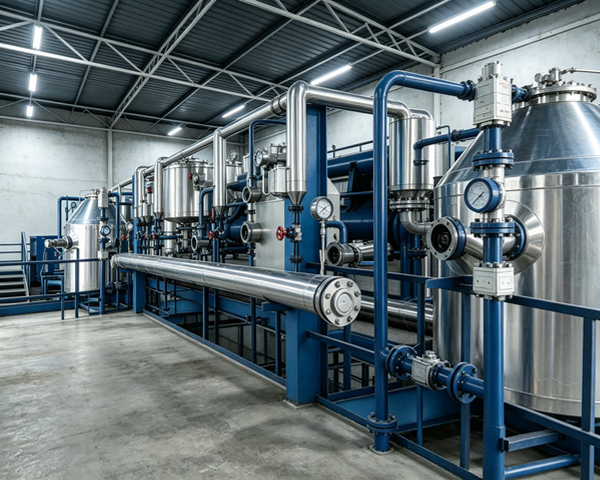
How to Choose the Right Processing Method for Different Oilseeds? Rapeseed, Soybean, and Peanut Each Have Their Own Answer
Hundreds of millions of tons of oilseeds are processed globally each year, but there is no “one-size-fits-all” processing method. Soybeans are best suited for direct solvent extraction, rapeseed requires pre-pressing followed by extraction, while peanuts and sesame are better proces…
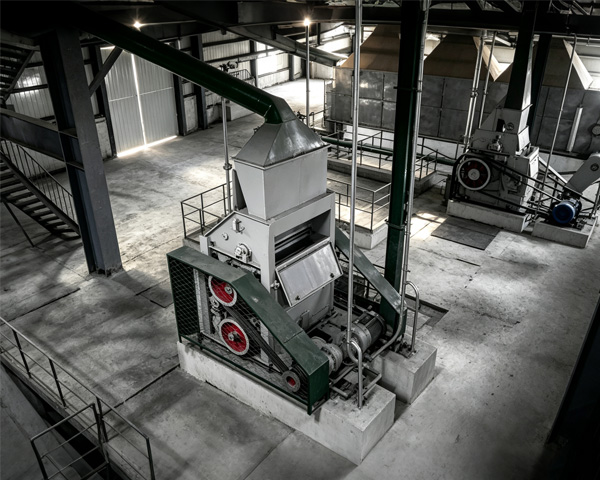
Building Your Oil Mill in 2026: Pressing vs Extraction – Choosing the Wrong Process Could Cost You Millions Annually
The global edible oil market is experiencing unprecedented expansion. According to the latest forecasts from the U.S. Department of Agriculture (USDA), global vegetable oil production for the 2025/26 marketing year is projected to reach a record 234.5 million metric tons – an increase of 6.7 mi…
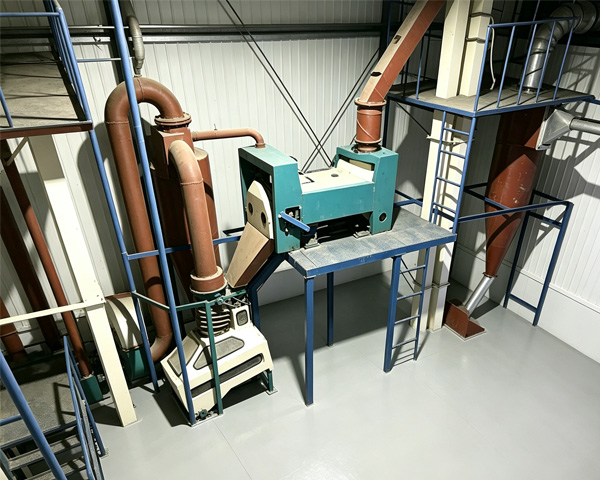
How Is Oilseed Pretreatment Done? 6 Steps from Cleaning to Conditioning Explained Simply
In the edible oil processing industry, there’s a well-known saying: “70% of the yield comes from pretreatment; 30% comes from pressing.” It means that the final oil yield largely depends on what happens before the oilseeds ever reach the press—the pretreatment stage. Whether y…

Turnkey Flaxseed Oil Processing Solution: From Process Design to Equipment Commissioning
Flaxseed (also known as linseed) is hailed as “land-based deep-sea fish oil,” with its α-linolenic acid (ALA) content reaching over 50%, making it a recognized high-value healthy oil source. However, linolenic acid is highly heat-sensitive – exceeding the critical temperature will c…