Neutralization Reactor | Core Equipment in Oil Refining Deacidification Section
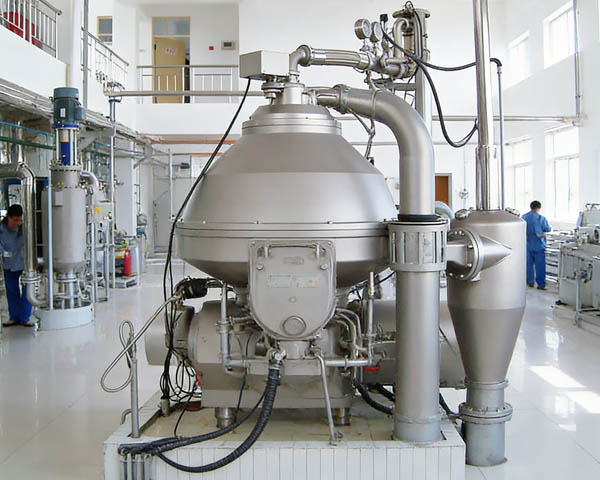
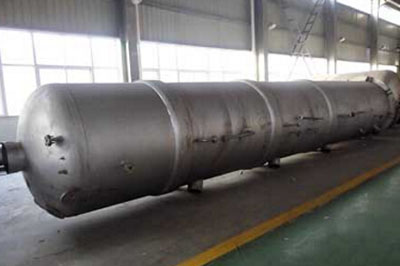
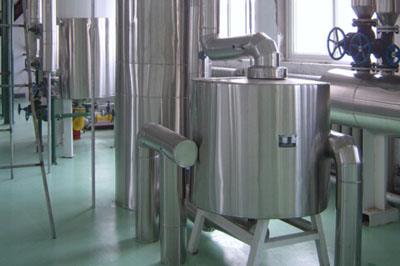
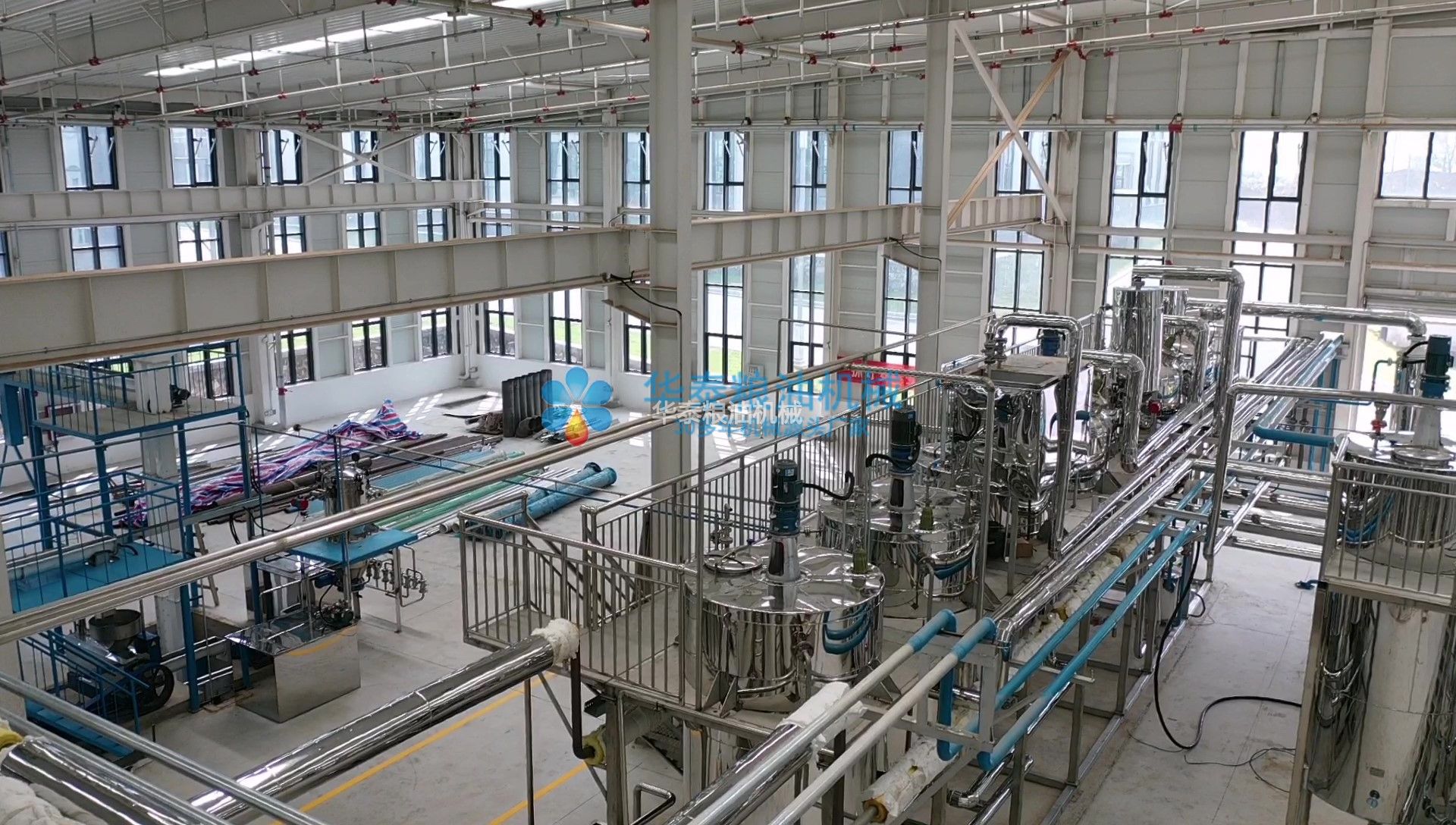
The Neutralization Reactor, as the core equipment in the chemical refining section (deacidification section) of oil processing, its primary function is to neutralize Free Fatty Acids (FFA) in crude oil using an alkali solution, providing high-quality intermediate products for subsequent bleaching and deodorization processes. The effectiveness of the neutralization process directly determines the stability, flavor, and shelf life of the final finished oil.
How Does the Neutralization Process Work?
The neutralization process is a critical step in edible oil refining. As the free fatty acid content in crude oil increases, more in-depth processing and precise alkali dosage control are required to ensure effective removal of free fatty acids and other impurities.
Standard Workflow:
- Pretreatment & Mixing:
- Heated crude oil is first mixed with phosphoric acid or citric acid for degumming, followed by the addition of a precise amount of caustic soda (lye).
- Neutralization Reaction:
- The oil-alkali mixture enters the Neutralization Reactor. Under continuous agitation and specific temperature conditions (typically controlled between 55°C and 70°C), the alkali reacts with free fatty acids to form soapstock. The binding of oil with impurities (pigments, gums, trace metals) is broken.
- Separation & Washing:
- The reacted mixture is sent to a Disc Stack Centrifuge for continuous separation of soapstock from the neutralized oil. The separated oil then enters the water washing section to remove residual soap particles, followed by another centrifugation step for dehydration.
- Drying:
- Finally, the clean oil is transferred to a vacuum dryer for moisture removal, yielding qualified neutral oil.
After neutralization, the oil is washed. Then, the disc stack centrifuge separates the wash water from the oil, and the oil is transferred to a vacuum dryer for drying. The free fatty acids and other impurities (gums, pigments, and trace metals) separated from the oil are sent downstream as soapstock, which can be processed in a soapstock splitting process to produce fatty acids.
How the Neutralization Reactor Adapts to Different Refining Processes
The process configuration of the Neutralization Reactor varies depending on the crude oil quality and production scale. Huatai Group’s Neutralization Reactor can flexibly adapt to the following two mainstream refining methods:
1. Adaptation for Long-Mix Refining Process (Applicable to Soybean Oil, Rapeseed Oil)
When processing crude soybean or rapeseed oil, the Neutralization Reactor is typically used in conjunction with a retention mixer. The oil-alkali mixture maintains prolonged contact within the reactor, ensuring complete neutralization of free fatty acids. After the reaction, the oil is heated and sent to a disc stack centrifuge, where the separation of soapstock and wash water is completed within a single unit (or sequence).
Reactor Configuration Features:Features a large-volume design, equipped with high-efficiency agitators to ensure uniform oil-alkali mixing during the long retention time and prevent soapstock settling.
2. Adaptation for Multi-Mix Refining Process (Applicable to Cottonseed Oil & Most Oils)
For cottonseed oil or lower-quality crude oils, the Neutralization Reactor needs to accommodate short-time mixing and multi-stage processing requirements. After the oil and alkali rapidly complete the neutralization reaction in the reactor, the mixture proceeds through one or two washing stages. When processing cottonseed oil or low-quality crude fats and oils, a second alkali treatment, known as re-refining, may be necessary to further enhance oil quality.
Reactor Configuration Features:The reactor possesses quick draining capabilities and precise temperature control functions, facilitating smooth integration with multi-stage centrifugal separation equipment to meet the processing needs of different oil types.
Advantages of the Neutralization Reactor
- Precise Temperature Control & Agitation:
- Ensures uniform reaction, preventing localized excess alkali that could lead to neutral oil saponification loss.
- Wide Adaptability:
- Capable of processing crude oils with different acid values and qualities (e.g., soybean oil, rapeseed oil, cottonseed oil).
- Stable Output Oil Quality:
- Lays the foundation for the RBD (Refining, Bleaching, Deodorization) process. Careful neutralization is crucial for determining the subsequent quality of RBD oil. If neutralization is improper, all subsequent steps will be adversely affected. Effective removal of moisture, acids, color, and gums is essential for achieving a better neutralization process.
- By-product Recovery:
- The separated soapstock can be sent downstream for soapstock splitting to extract fatty acids, increasing economic benefits.
| Model | Specifcatior(mm) | Volume(m³) |
| HTZHG80 | Ф800*2000 mm | 1.2 m³ |
| HTZHG100 | Ф1000*2500 mm | 2.3 m³ |
| HTZHG120 | Ф1200*2500 mm | 3.5 m³ |
| HTZHG140 | Ф1400*3000 mm | 5.5 m³ |
| HTZHG160 | Ф1600*3000 mm | 7.2 m³ |
| HTZHG200 | Ф2000*4000 mm | 15 m³ |