

What is the Difference Between Oil pre-press machine and Cold oil press machine?
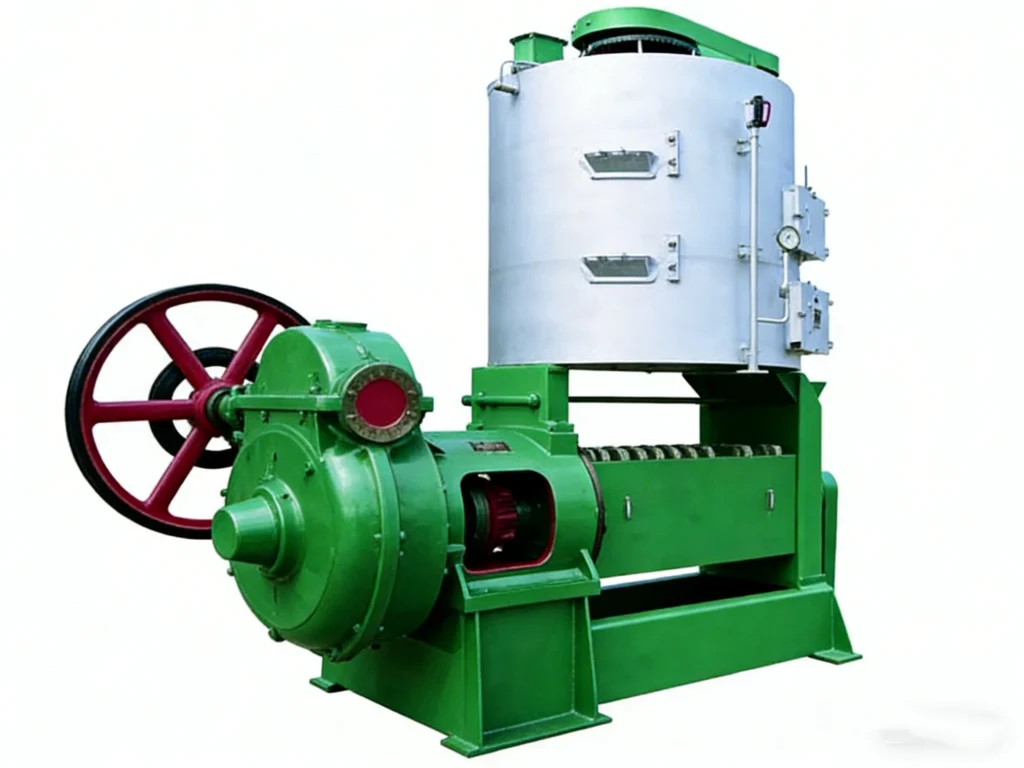
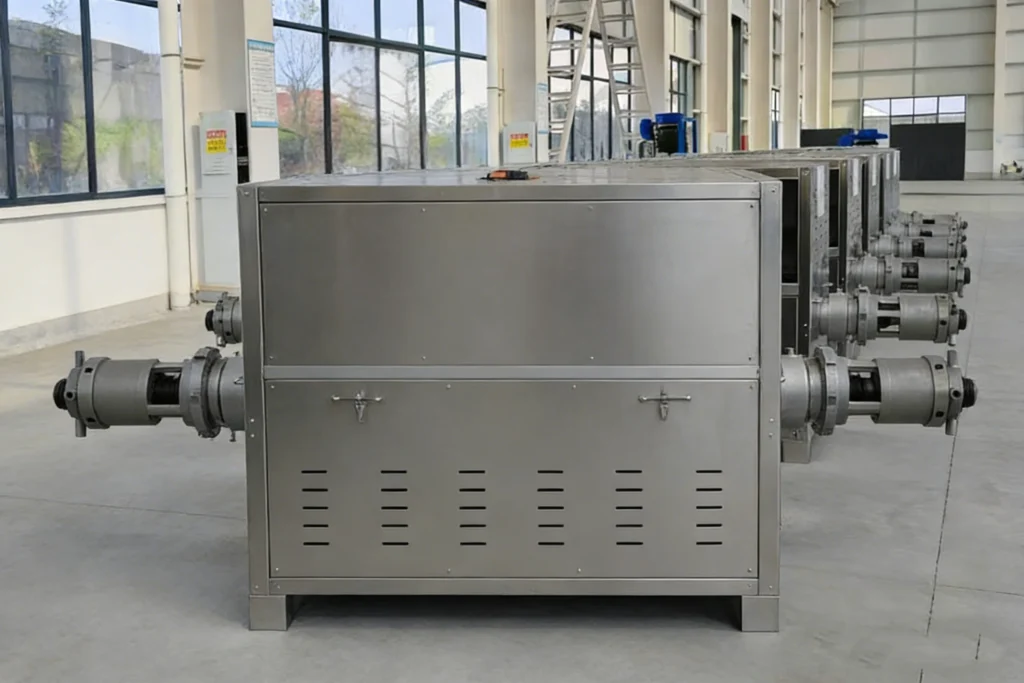
As a professional sales consultant of oil pressing machinery, I often encounter clients asking me, “Can the same screw oil press be used for both pre-pressing and cold-pressing?” The answer is definitely no. To avoid clients repeatedly asking this question, I decided to write this article. It will provide an in-depth analysis of the essential differences between oil pre-press machine and cold oil press machine from perspectives such as equipment principles, core design, applicable scenarios, and purchasing recommendations, helping clients make the most informed oil pressing equipment selection.
1.Different Processes
In oil pressing production lines, pre-pressing and cold-pressing are two entirely different process routes. Using pre-press oil presses and cold-press oil presses serves different purposes, which also means these two types of screw oil presses are not interchangeable.
Pre-pressing Process: The core goal is to extract as much oil as possible from the material. Serving as the pre-pressing step in solvent extraction oil production, it requires quickly and efficiently pressing out most of the oil from the oilseeds (oil yield about 60–75%), forming structurally loose cake for subsequent solvent extraction. Its characteristics include allowing higher temperatures and prioritizing processing capacity and oil extraction efficiency.
Cold-pressing Process: The core goal is to preserve the nutrients of the oilseeds*. It requires pressing the material at low temperatures (typically ≤65°C) to maximally retain the natural flavor, color, vitamins, and active substances of the oil. This demands strict low-temperature control during production, prioritizing oil quality, while accepting a relatively lower oil yield.
2.Core Design Comparison: Detailed Differences Across Five Dimensions
As an oil press manufacturer, we achieve these two process requirements through the following key design aspects:
| Comparison Dimension | Oil pre-press machine | Cold oil press machine |
| Main Shaft Speed | High-speed design, typically 12–18 RPM, high processing capacity, short material retention time. | Low-speed design, typically 5–8 RPM, long material compression time, slow temperature rise. |
| Compression Ratio and Press Chamber Structure | High compression ratio, press chamber space sharply reduces, generating extremely high pressure to force oil out. Press screws and bars require high-strength wear resistance. | Medium-to-low compression ratio, pressure increases gradually. Press chamber often equipped with special alloy liners to reduce friction heat. |
| Cooling System | Basic heat dissipation design, mainly relying on gaps in the press cage for heat dissipation. Allows higher operating temperatures. | Forced circulation cooling system is standard. Water or oil cooling channels are built into the press shaft and cage for precise temperature control. |
| Power and Energy Consumption | High-power motor required to drive high-speed, high-pressure press chamber, resulting in higher unit energy consumption. | Moderate-power motor typically configured due to low speed and gentle pressure, making operation more energy-efficient. |
| Cake Condition and Purpose | Cake is thin, hard, and brittle (residual oil 15–20%), suitable for solvent extraction. | Cake is thick, soft, and loose (higher residual oil), preserves nutrients well, often used as food raw material. |
Manufacturer’s Purchasing Guide: How to Choose the Right Equipment Based on Needs?
1.Clarify Product Positioning:
- If producing bulk refined oil and operating a solvent extraction workshop, choose a oil pre-press machine.
- If producing high-end cold-pressed oil or specialty flavored oil, a professional cold oil press machine is essential.
2.Focus on Core Configurations:
- Pre-press Machine: Pay close attention to the material of wear-resistant parts, main shaft strength, and processing capacity.
- Cold-press Machine: Must verify the efficiency of the cooling system (whether it can stably maintain low temperatures), adjustable speed range, and whether the materials comply with food-grade safety standards.
3.Evaluate Manufacturer’s Capabilities:
- Choose a manufacturer capable of professionally producing both types of machines, as their technical understanding will be more comprehensive.
- Request experiments or case studies for your specific oilseeds to verify oil extraction effectiveness.