

Sunflower Oil Dewaxing: 3 Critical Technical Factors – Temperature, Time, and Cooling Rate
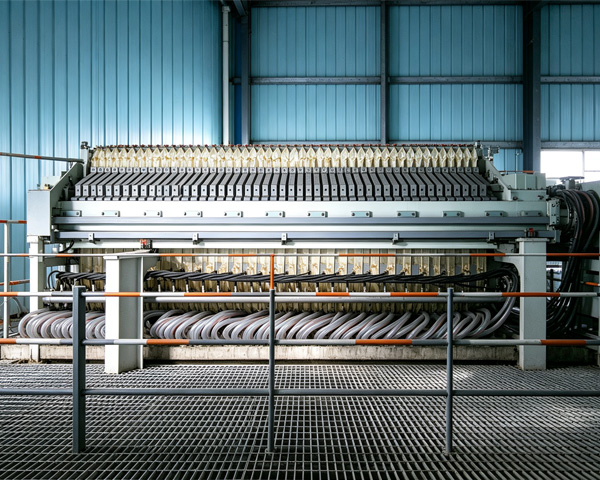
Sunflower oil is one of the most widely consumed edible oils globally, but its processing presents a unique challenge – dewaxing (also known as winterization).
Waxes originate primarily from the sunflower seed hull (seed coat) and dissolve into the crude oil during pressing or solvent extraction. The wax content of sunflower oil ranges from approximately 0.06% to 0.2% – a seemingly small amount that has a major impact on whether the oil can be sold in supermarkets or exported. By comparison, soybean oil and rapeseed oil have very low wax content and typically do not require dewaxing.
Waxes themselves are non-toxic and edible, but they are difficult for the human body to digest. They dissolve in oil at temperatures above 40°C but crystallize and precipitate when the temperature drops. Sunflower oil that has not been dewaxed will become cloudy and develop white flocculent precipitates at low temperatures – consumers may mistake this for spoilage and reject the product. More critically, export standards require that the oil remains clear and transparent at 0°C for 5.5 hours – oil that has not been dewaxed cannot pass this test. In addition, waxes impart an astringent, waxy mouthfeel, and microscopic wax crystals act as nucleation sites for oxidation, accelerating rancidity and shortening shelf life.
So how can you ensure successful dewaxing? It all comes down to three critical technical factors.
Factor 1: Temperature – A Precise Journey from 55°C to 5-10°C
The first step in dewaxing is to heat the refined sunflower oil to 55°C, ensuring that all crystals are completely dissolved. If this step is not thorough, residual “crystal memory” will interfere with the subsequent crystallization process.
The next stage is cooling. The oil must be slowly cooled to a final crystallization temperature of 5-10°C. Research indicates that during crystallization, the temperature differential between the oil and the cooling medium should be controlled within 15°C to ensure uniform crystal formation.
Some processes employ a multi-stage cooling strategy: cooling to 20-30°C first and holding for over 8 hours to promote crystal nucleation, then continuing to cool to 6-10°C for final crystallization. Other processes use a two-stage cooling method: cooling to 5-9°C first, then further cooling to 0-2°C for crystal aging.
Huatai’s dewaxing equipment features crystallization tanks with precise temperature control systems that automatically follow preset cooling curves, ensuring the entire cooling process is accurately managed.
Factor 2: Time – Giving Crystals Enough Room to Grow
Temperature is only the first step – time is equally critical. Crystal formation is a process that requires patience – it cannot be rushed.
After reaching the target temperature, the oil must be held in the crystallization tank for 6-8 hours (some processes require 12-24 hours) to allow the tiny wax particles sufficient time to aggregate into larger, well-formed crystals. This stage is called “crystal aging” or “maturation” – the larger the crystals grow, the easier the subsequent filtration becomes.
Agitation speed also plays a crucial role in crystal growth. In industrial practice, agitation speed is typically maintained at a low range of 10-13 RPM. Excessive agitation can shear and damage the growing crystals, creating fine fragments; insufficient agitation may result in uneven temperature distribution. Low-speed agitation ensures temperature uniformity without interfering with natural crystal growth.
Huatai’s dewaxing production line features specially designed crystallization and aging tanks with low-speed agitation systems, ensuring crystals grow and mature under optimal conditions.
Factor 3: Cooling Rate – The “Silent Killer” of Dewaxing Success
This is the most error-prone and most overlooked of the three factors.
Cooling rate should not be too fast – this is the most critical warning in the dewaxing process. Rapid cooling produces fine, fragmented microcrystals that can pass directly through the filter, resulting in dewaxing failure. This is a common pitfall that many production plants encounter repeatedly.
Industry best practice recommends controlling the cooling rate at below 15°C per hour. A more sophisticated approach is gradient cooling: an initial cooling rate of approximately 2°C per hour for about 24 hours, followed by a reduction to 0.5°C per hour for another 10-24 hours, ultimately reaching 8-10°C. This slow, phased cooling approach allows wax crystals sufficient time to “grow slowly” into large, dense crystals – which are far less likely to pass through the filter cloth, resulting in optimal separation.
In Huatai’s dewaxing equipment, the crystallization system uses a combination of chilled water (15-20°C) and coolant (-5-0°C) circulation, integrated with a PLC automatic control system that precisely regulates the cooling rate and automatically executes multi-stage cooling programs according to preset curves.
How the Three Factors Work Together
Temperature, time, and cooling rate are interdependent – none can be compromised:
- Temperature determines “when crystallization begins” – 55°C for complete liquefaction, 5-10°C for crystal precipitation
- Cooling rate determines “what kind of crystals form” – slow cooling = large crystals, fast cooling = small fragments
- Time determines “how large the crystals can grow” – 6-8 hours (or longer) of aging time ensures full crystal maturation
A successful dewaxing process requires precise coordination of all three factors. A failure in any one – poor temperature control, insufficient time, or excessive cooling rate – can result in dewaxing failure, leaving the oil cloudy even after processing.
Filtration and Verification After Dewaxing
After crystal growth is complete, the next step is solid-liquid separation. This is typically achieved using a plate-and-frame filter press or membrane filter press to separate the wax crystals from the oil. Some processes add filter aids such as diatomaceous earth (approximately 0.2%-0.5%) before filtration to help form a porous filter cake, improving filtration efficiency and oil clarity.
After filtration, the finished oil must pass a cold test to verify dewaxing effectiveness: an oil sample is placed at 0°C and observed for how long it remains clear and transparent. Properly dewaxed sunflower oil can remain clear at 0°C for over 24 hours – far exceeding the 5.5-hour export standard requirement.
Final Thoughts
Successful sunflower oil dewaxing depends on the precise control of three critical technical factors – temperature, time, and cooling rate:
- Temperature: Complete liquefaction at 55°C → slow cooling to 5-10°C for crystallization
- Time: 6-8 hours (or longer) of aging to allow full crystal growth
- Cooling Rate: Keep below 15°C per hour to avoid microcrystal formation
Choosing reliable dewaxing equipment – with precise temperature control, low-speed agitation, and optimized cooling curves, paired with efficient plate-and-frame or membrane filter presses – is the key to ensuring successful dewaxing and producing high-quality sunflower oil.
If you are planning a sunflower oil refining and dewaxing project, please contact Huatai Group for professional dewaxing process recommendations and equipment configuration guidance.