

Why Does High-End Essential Oil Favor Subcritical Extraction? A Detailed Look at Low-Temperature Extraction Equipment and Oil Extraction Advantages
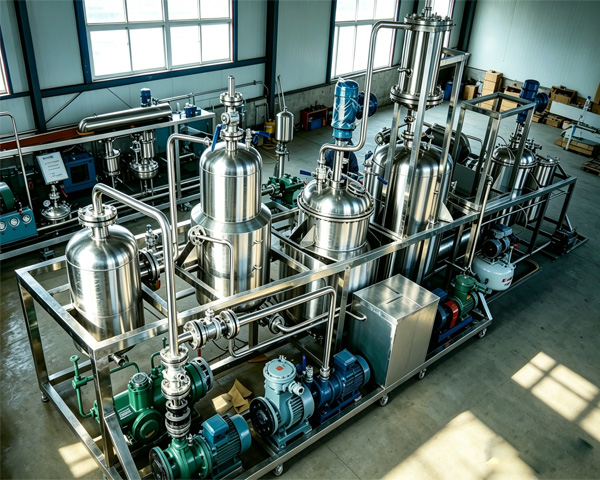
In the field of natural essential oils and high-end botanical oil processing, the choice of extraction technology directly determines product aroma purity, active compound retention, and ultimate market value. In recent years, a process known as “subcritical extraction” has rapidly gained prominence in industrial essential oil production, particularly favored by processors of high-value raw materials such as rose, sandalwood, and agarwood. Leveraging low-temperature and low-pressure operating conditions, this technology not only substantially increases oil yield but also surpasses traditional distillation and solvent methods in aroma fidelity. This article provides an in-depth analysis of the principles, process flow, and core advantages of subcritical essential oil extraction, while exploring how supporting subcritical extraction equipment and oil extraction equipment play a pivotal role in modern oil processing lines.
I. What Is Subcritical Essential Oil Extraction?
Subcritical extraction is an advanced oil extraction technology that utilizes liquefied gases (such as butane, propane, R134a, etc.) to dissolve botanical aromatic compounds under mild conditions. The term “subcritical” refers to the solvent existing in a liquid state at temperatures slightly below its critical temperature under applied pressure. This state endows the solvent with strong lipophilic penetrating capability while allowing instantaneous vaporization and separation during subsequent depressurization, thereby achieving efficient and clean recovery of target essential oils.
Unlike conventional high-temperature pressing or screw oil presses that rely on physical compression, subcritical extraction emphasizes molecular-level dissolution and migration, making it particularly suitable for processing floral, woody, and herbal raw materials characterized by relatively low oil content and high thermal sensitivity of aroma compounds.
II. Core Process and Supporting Equipment for Subcritical Extraction
A complete subcritical extraction process flow is inseparable from high-precision subcritical extraction turnkey equipment. The standard operational procedure is as follows:
1. Loading: Plant material, appropriately crushed or whole, is placed into a stainless steel extraction vessel. Raw material pretreatment at this stage may involve crushing equipment or drying equipment to ensure optimal solvent penetration efficiency.
2. Solvent Injection and Immersion: The system automatically injects liquid butane or propane, immersing or circulating the solvent through the material at low temperatures ranging from 20°C to 60°C. This phase constitutes the core function of the oil extraction leaching equipment, where the solvent thoroughly dissolves essential oils and lipophilic components within the plant cell walls.
3. Depressurization, Desolventization, and Separation: The extract solution enters the separation system, where depressurization causes the solvent to vaporize instantly. The gaseous solvent is liquefied via the compressor and condensation recovery unit for recycling, while high-purity plant essential oil remains in the finished product collection tank.
4. Residual Solvent Removal: Final micro-vacuum treatment ensures zero solvent residue in the finished product, meeting food-grade and cosmetic-grade standards.
Throughout this process, the design sophistication of the low-temperature vacuum extraction equipment determines system safety and solvent recovery efficiency. Since operating pressure is only 0.3–0.8 MPa—significantly lower than the ultra-high pressures required for supercritical equipment—the manufacturing cost and operational energy consumption of the extraction vessel are effectively controlled.
III. Five Core Advantages of Subcritical Extraction in High-End Essential Oil Production
For oil processing plants pursuing ultimate aroma quality and economic efficiency, adopting subcritical technology yields significant improvements in the following areas:
1. Superior Aroma Preservation
Operating temperatures are strictly maintained below 60°C, completely avoiding thermal degradation of heat-sensitive aromatic molecules such as terpenes and esters. Compared to the “cooked odor” potentially introduced by traditional screw pressing or high-temperature distillation, essential oils obtained via subcritical extraction exhibit an aroma profile closer to the plant’s original natural scent. This is the key reason the technology is highly regarded in the selection of high-end aromatic oil equipment.
2. Higher Oil Yield and Raw Material Utilization
Data indicate that for precious woody materials like sandalwood and agarwood, subcritical extraction achieves oil yields 20–50% higher than steam distillation. This means that using equivalent quantities of raw material, oil extraction equipment can produce a greater volume of finished essential oil, significantly reducing raw material cost per unit output—a factor of immense economic significance for expensive resources such as imported rose or wild agarwood.
3. Excellent Finished Product Purity
Leveraging a fully enclosed solvent recovery system and the application of food-grade solvents, subcritical essential oils exhibit light color and crystal clarity. The finished product contains no heavy metals, trans-fatty acids, or oxidative by-products. For high-end products requiring subsequent refining via molecular distillation equipment, subcritical crude oil contains lower impurity levels, substantially reducing the workload on oil refining equipment.
4. Richer Profile of Active Chemical Constituents
Low-temperature conditions facilitate the retention of trace active components in the raw material, such as gingerols, sanshools, and rose wax esters. This expands the potential for functional oil applications of subcritical essential oils in aromatherapy, premium skincare, and medicinal fields.
5. Balance Between Investment Cost and Safety
Compared to expensive supercritical CO2 extraction equipment, the initial investment and ongoing maintenance costs of subcritical systems are more advantageous. The low-pressure operating characteristics ensure high day-to-day operational safety for the extraction production line and facilitate modular expansion, representing an ideal transition pathway for small and medium-sized specialty oil equipment enterprises undergoing technological upgrades.
IV. Applicable Raw Material Range: From Precious Flowers to Woody Spices
Subcritical extraction equipment demonstrates exceptional versatility and has established mature applications in the following vegetable oil material processing sectors:
– Precious Floral Varieties: Rose, Jasmine, Osmanthus, Neroli, Ylang-Ylang. For such materials, using hydraulic oil presses or distillation rarely yields extracts or absolutes meeting fragrance industry standards; subcritical extraction is the preferred method.
– Rare Woody Species: Sandalwood, Agarwood, Gyrinops, Thuja. These hard-textured materials require coordination with grinding machines; subcritical solvents can penetrate deep into woody fibers to extract resins and essential oils.
– Medicinal/Edible Homologous and Spice Materials: Ginger, Sichuan Pepper, Cinnamon, Mugwort, Peppermint. Extraction from these materials often requires balancing volatile oils with pungent components; subcritical technology fully preserves the complex aroma profile of these “flavor oils.”
V. Subcritical vs. Traditional Extraction Methods: Data-Driven Comparison
To more intuitively illustrate its positioning within oil extraction processes, subcritical extraction is compared with mainstream extraction methods below:
| Extraction Method | Operating Temperature | Operating Pressure | Aroma Integrity | Extraction Yield | Solvent Residue Risk | Equipment Cost (Reference) |
| Subcritical Extraction | 20–60°C | 0.3–0.8 MPa | Excellent (Natural) | High | None | Moderate | |
| Steam Distillation | 100°C+ | Atmospheric | Moderate (Heat Loss) | Low-Moderate | None | Low |
| Supercritical CO2 | 31–50°C | >20 MPa | Excellent | High | None | Very High |
| Solvent Extraction | 60–80°C | Atmospheric | High | Moderate | Risk Present | Low-Moderate |
| Physical Pressing | Ambient/High Temp | High Pressure | Excellent | Lower | None | Depends on oil press price |
As evident from the table above, subcritical extraction achieves an optimal balance between oil quality and investment value, positioning it as the mainstream complete oil equipment technological solution for the industrial production of high-end natural essential oils and specialty plant extracts.
VI.Selecting a Suitable Subcritical Extraction Equipment Supplier
As global demand for natural, pure, additive-free plant extracts continues to rise, subcritical extraction technology is emerging as a significant growth segment within the oil machinery and equipment industry. For clients planning to construct or upgrade an essential oil extraction production line, selecting an oil equipment manufacturer with extensive expertise in subcritical extraction process design, pressure vessel fabrication, and solvent recovery automation control is crucial. A well-designed subcritical extraction unit not only ensures product quality aligns with international standards but also enables sustained, low-cost operation through efficient solvent recycling.