

Building Your Oil Mill in 2026: Pressing vs Extraction – Choosing the Wrong Process Could Cost You Millions Annually
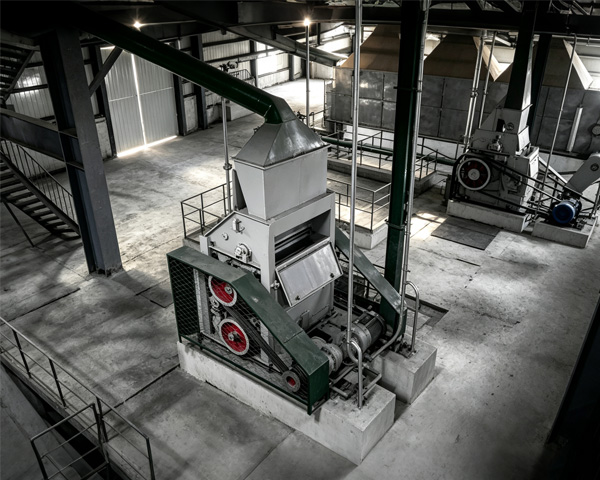
The global edible oil market is experiencing unprecedented expansion. According to the latest forecasts from the U.S. Department of Agriculture (USDA), global vegetable oil production for the 2025/26 marketing year is projected to reach a record 234.5 million metric tons – an increase of 6.7 million tons from the previous year. Meanwhile, the global oilseed processing market was valued at $338.64 billion in 2025, with projections showing growth to $354.93 billion in 2026 and potentially reaching $537.51 billion by 2034.
With such a vast market in view, every investor planning to enter the edible oil processing industry in 2026 faces a core question: Pressing or extraction?
This choice directly determines your complete oil processing equipment configuration, oil yield, production costs, product positioning, and profit margins. Choosing wrong could cost you millions annually.
I. The Fundamental Difference Between the Two Processes
The fundamental difference between pressing and extraction lies in oil recovery method:
Mechanical Pressing relies on physical pressure to squeeze oil from oilseeds, without adding any chemicals. The core equipment includes screw presses or hydraulic presses, which separate oil from oilseeds through mechanical force. After pressing, the meal still contains 6% to 10% residual oil. Oil recovery rates typically range from 85% to 92%.
Solvent Extraction uses food-grade solvents (typically hexane) to dissolve oil, then separates the solvent from the oil and recycles it for continuous use. The core equipment includes rotocel extractors, loop-type extractors, or drag chain extractors, supported by solvent recovery systems and DTDC desolventizer-toasters. After extraction, residual oil in the meal can be reduced to below 1%. Oil recovery rates can reach 95% to 99%.
Core Difference: Pressing leaves 6%-10% residual oil, while extraction achieves <1% residual oil – this 5-10 percentage point gap translates into millions of dollars in annual profit difference for a plant processing hundreds of tons per day.
II. Comprehensive Comparison Across 7 Dimensions
1. Oil Yield and Residual Oil Rate
| Comparison Dimension | Mechanical Pressing | Solvent Extraction |
|---|---|---|
| Oil Recovery Rate | 85%-92% | 95%-99% |
| Meal Residual Oil | 6%-10% | <1% |
For a plant processing 100 tons of soybeans per day, the additional oil recovered through extraction versus pressing can generate millions of dollars in extra annual revenue.
2. Investment Cost
Mechanical Pressing: Lower upfront investment, simpler equipment design, no solvent handling infrastructure or safety systems required. A small screw press costs anywhere from a few thousand to several tens of thousands of dollars. A complete oil pressing line represents the lowest fixed capital commitment.
Solvent Extraction: Higher initial investment, requiring a complete solvent recovery system, boilers, explosion-proof electrical equipment, fire safety facilities, and more. A medium-scale oil extraction plant typically costs $500,000 to $1.2 million.
3. Operational Complexity
Mechanical Pressing: Simple to operate – only basic training is required. Daily maintenance focuses mainly on replacing wear parts such as screw worms and bars.
Solvent Extraction: Requires trained, skilled operators with knowledge of solvent safety protocols, fire safety management, and explosion-proof operating procedures. The operational demands are far higher than pressing.
4. Oil Quality and Flavor
Pressed Oil: Retains more natural flavor and color, particularly cold press oil machines which produce oil rich in natural antioxidants such as vitamin E and polyphenols. The global cold-pressed oil market was valued at approximately $26-32.9 billion in 2025 and is projected to grow to $34.9-49.5 billion by 2034, at a CAGR of 4.1%-10.6%. Consumers are willing to pay premium prices for “chemical-free” processing.
Extracted Oil: Crude oil must undergo refining equipment processing – including degumming tanks, alkali refining tanks, bleaching towers, and deodorization towers – before it is fit for consumption. After refining, the oil has a neutral flavor and light color, making it suitable for commodity-grade oils and high-temperature cooking.
5. By-Product Value
Pressed Meal: Contains 6%-10% residual oil, with relatively lower protein concentration and limited feed value.
Extracted Meal: Contains less than 1% residual oil, with higher protein content – an excellent high-protein animal feed ingredient with significantly greater market value. By-product value has a substantial impact on overall economics in large-scale commercial production.
6. Suitable Scale
Mechanical Pressing: Suitable for small-scale production, processing a few to several tens of tons per day. Small oil presses and medium-sized oil presses are the core equipment for these plants.
Solvent Extraction: Suitable for medium to large-scale commercial production, processing hundreds of tons per day and above. The higher the output, the more significant the advantage of extraction’s superior recovery rate. Large-scale oil production lines typically employ extraction technology.
7. Safety and Regulatory Requirements
Mechanical Pressing: Minimal safety requirements, with no special regulatory mandates.
Solvent Extraction: Subject to strict safety protocols involving fire safety, explosion-proof electrical equipment, and solvent handling.
III. Where Do the Losses Come From When You Choose the Wrong Process?
Loss Source 1: Oil Yield Gap
Pressing leaves 6%-10% residual oil, while extraction achieves <1%. For a plant processing 500 tons per day, at 18% oil content:
- Pressing: Approximately 10.8-18 kg of oil lost per ton of raw material
- Extraction: Approximately 1.8 kg of oil lost per ton of raw material
- The gap: hundreds of tons of oil lost annually, worth millions of dollars
Loss Source 2: By-Product Value
Extracted meal has far lower residual oil than pressed meal, with higher protein concentration – commanding significantly higher market prices as animal feed. For large-scale production, the difference in by-product value alone can determine a project’s profitability.
Loss Source 3: Product Positioning Mistakes
If your target market is premium cold-pressed oils, but you choose extraction, you will miss out on the 4.1%-10.6% CAGR premium market. Conversely, if you pursue mass-market scale benefits but choose pressing, your cost structure will be unable to compete with rivals.
IV. How to Choose? – A Decision Framework for 2026
Choose Pressing If:
- Your target market is cold-pressed or “chemical-free” premium oils: The global cold-pressed oil market is growing steadily, with consumers willing to pay higher prices for natural processing
- Your throughput is small to medium: The additional yield from extraction is not enough to offset the higher capital and compliance costs
- You prefer simpler operations: No solvent handling, fire safety systems, or specialized training required
- You are testing the market: Start with pressing and add extraction later as you scale up
Choose Extraction If:
- Your throughput is large: Every extra percentage point in oil recovery translates into substantial additional revenue
- You are processing low-oil-content seeds (such as soybeans): Pressing alone cannot achieve commercial profitability
- You need competitive commodity-grade pricing: You pursue maximum oil yield per ton of seeds
- You want to profit from higher-value by-products through high-protein meal
- You are pursuing scale and export competitiveness
V. Huatai Edible Oil Processing Equipment Solutions
Henan Huatai Intelligent Equipment Group has over 38 years of experience in oil equipment manufacturing, offering complete solutions for both pressing and extraction methods:
Pretreatment Equipment: Cleaning screens remove impurities, destoners separate stones, magnetic separators capture metal fragments, crushers break oilseeds, flaking mills roll oilseeds into thin flakes, conditioners adjust temperature and moisture, and cookers regulate moisture content. This oilseed pretreatment equipment prepares the material for optimal pressing or extraction performance.
Mechanical Pressing Equipment: Screw presses (single units processing from a few to several tens of tons per day), hydraulic presses (ideal for small-batch premium oils), cold press oil machines (temperature-controlled ≤60°C, preserving nutrients and flavor), and plate-and-frame filter presses. Ideal for small-scale production, premium cold-pressed oils, and specialty oil processing.
Solvent Extraction Equipment: Rotocel extractors, loop-type extractors, and drag chain extractors, supported by solvent recovery systems, DTDC desolventizer-toasters, evaporators, and stripping columns. Ideal for large-scale industrial production with <1% residual oil. Extraction equipment is the core of the solvent extraction production line.
Refining Equipment: Degumming tanks remove phospholipids, alkali refining tanks neutralize free fatty acids, bleaching towers adsorb pigments, deodorization towers remove odors, and leaf filters perform fine filtration. A complete oil refining production line ensures finished oils meet national food safety standards.
Filling Equipment: Automatic filling machines for precise filling, sealing machines for hermetic packaging, and labeling machines for automatic labeling, forming a complete edible oil filling line.
Combined Process: Pre-pressing + extraction integrated production line – mechanical pressing removes the majority of oil first, then solvent extraction recovers residual oil from the meal. Ideal for high-oil-content seeds (rapeseed, sunflower, peanuts, etc.), combining the strengths of both processes.
From complete oil processing equipment selection and process design to installation, commissioning, and personnel training, Huatai provides complete turnkey engineering services, serving customers in over 130 countries and regions worldwide.
Final Thoughts
In 2026, global vegetable oil production will reach a record 234.5 million metric tons, and the oilseed processing market is projected to exceed $354.9 billion. In this rapidly expanding market, the choice between pressing and extraction determines your costs, quality, and profit margins:
- Pressing: Lower investment, simpler operation, retains natural flavor – ideal for small-scale premium markets and specialty oil production
- Extraction: Higher oil yield, superior cost efficiency, <1% residual oil – ideal for commodity oils and scale-driven competition
Choosing the wrong process could cost you millions annually. Whichever process you choose, Huatai Group provides complete solutions from equipment selection to full plant construction. Contact Huatai for a feasibility study tailored to your specific oilseed types, target markets, and budget.