

How Is Virgin Coconut Oil Produced? Complete Wet Process Cold-Pressed Technology and Nutritional Value Explained
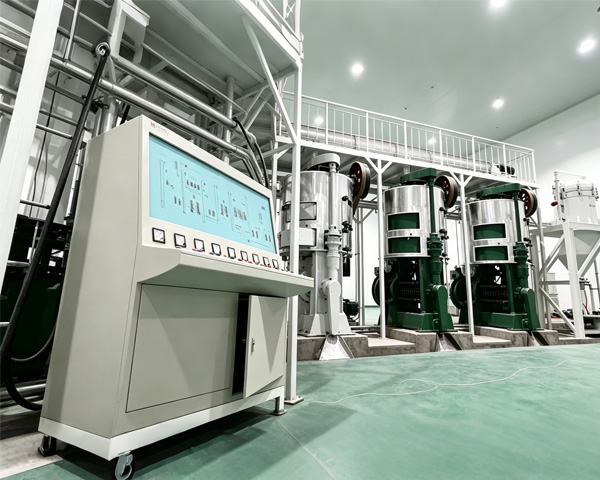
Virgin Coconut Oil (VCO) is one of the fastest-growing categories in the global health food market in recent years. Unlike refined coconut oil, virgin coconut oil is extracted from fresh coconut meat without high-temperature treatment or any chemical additives, fully preserving the natural aroma, flavor, and nutritional components of coconut.
The global virgin coconut oil market is projected to grow from $851 million in 2025 to $1.5 billion by 2032, at a CAGR of 8.5%. So, how is virgin coconut oil actually produced? What makes the wet cold-pressing process unique? This article provides a complete analysis.
I. What Is Virgin Coconut Oil?
Virgin coconut oil is an edible oil extracted from fresh coconut meat, without refining, bleaching, or deodorization. Unlike regular coconut oil (typically produced from dried coconut meat – copra – through high-temperature pressing and refining), the production of virgin coconut oil involves no high-temperature heating or chemical additives, thus preserving the naturally occurring antioxidants, vitamin E, and phytosterols in coconut.
The core nutritional value of virgin coconut oil comes from its medium-chain fatty acids (MCTs), with lauric acid accounting for 44%–54%. Lauric acid possesses multiple biological activities including antibacterial, antiviral, and anti-inflammatory properties, making it the key reason why virgin coconut oil is hailed as a “superfood.”
II. Wet Cold-Pressing vs Dry Processing: The Fundamental Difference Between the Two Processes
Before delving into the wet cold-pressing process, it is essential to understand the two main methods of coconut oil processing:
| Comparison Item | Wet Processing (Cold-Pressed) | Dry Processing |
|---|---|---|
| Raw Material | Fresh coconut meat | Copra (dried coconut meat) |
| Temperature | Throughout <60°C, typically <50°C | Heating required (60–110°C) |
| Chemical Additives | None | Required during refining |
| Product | Virgin Coconut Oil (VCO) | Refined Coconut Oil (RBD) |
| Oil Yield | 40-50% (from fresh meat) | 60-65% (from copra) |
| Nutrient Retention | Fully preserved | Some heat-sensitive nutrients lost |
Wet processing extracts oil directly from fresh coconut meat without the need to produce copra first. The coconut oil produced through this method is clear in color, pure in aroma, and complete in nutrients, making it the preferred process for producing high-quality virgin coconut oil.
III. Complete Wet Cold-Pressing Process Flow
The complete wet cold-pressing process for virgin coconut oil can be divided into the following key steps:
Step 1: Coconut Harvesting and Selection
After mature coconuts are harvested from coconut trees, they are first sorted. Only fresh coconuts with optimal maturity, no damage, and no mold can be used to produce high-quality virgin coconut oil. Harvested coconuts should enter the processing stage within hours to minimize oxidation and bacterial growth.
Core Equipment: Coconut harvesting tools, sorting conveyor belt
Step 2: Dehusking and Meat Extraction
The coconut shell is removed to extract the inner coconut meat. The dehusked meat needs to have the brown skin (seed coat) removed, as the seed coat contains significant pigments and impurities that can affect the color and flavor of the final product.
Core Equipment: Coconut dehusker, peeling machine
Step 3: Washing and Grinding
Fresh coconut meat is thoroughly washed with clean water to remove surface dust and impurities. The washed meat is then fed into a coconut grater to be ground into a fine coconut milk/paste. The fineness of grinding directly affects subsequent oil extraction efficiency – the finer the grind, the easier the oil is released.
Core Equipment: Coconut washer, coconut grater/crusher
Step 4: Water Addition and Pulping (Core Wet Process Step)
The ground coconut meat is mixed with a certain proportion of clean water (typically at a ratio of 1:1 to 1:3) and stirred evenly to form a coconut milk emulsion. The purpose of adding water is to disrupt the oil-water-protein emulsion system in the coconut meat, making it easier to separate the oil from the solid matrix.
This step must be carried out at room temperature or low temperature (<50°C) to ensure that heat-sensitive nutrients in the oil are not damaged.
Core Equipment: Mixing pulping tank, blending system
Step 5: Oil Separation – Three Main Methods
Oil separation is the most critical step in the wet cold-pressing process. There are currently three main methods:
Method 1: Centrifugal Separation (Most Common and Most Efficient)
The coconut milk emulsion is fed into a high-speed tubular centrifuge for separation. The centrifuge utilizes the principle that components of different densities experience different centrifugal forces under high-speed rotation, separating the coconut milk into three layers:
- Upper layer: Virgin coconut oil (light phase)
- Middle layer: Coconut water (aqueous phase)
- Lower layer: Coconut residue and protein precipitate (heavy phase)
The advantages of centrifugal separation are high efficiency, large throughput, and high automation, making it suitable for medium to large-scale production. The entire separation process is carried out at room temperature, typically not exceeding 50°C, ensuring oil quality.
Core Equipment: High-speed tubular centrifuge, disc centrifuge
Method 2: Fermentation Method
The coconut milk is left to stand for 12–24 hours, allowing natural fermentation to break the oil-water-protein emulsion system, causing the oil to rise to the surface for collection by skimming. The fermentation method requires simple equipment and low investment, making it suitable for small-scale and home-based production. However, the production cycle is longer and hygiene requirements are higher.
Method 3: Freeze-Thaw Method
The coconut milk is frozen at low temperature and then slowly thawed. The ice crystals formed during freezing disrupt the emulsion structure, making it easier to separate the oil after thawing. This method requires no chemical additives but has higher energy consumption and is suitable for scenarios with specific quality requirements.
Step 6: Polishing and Filtration
The separated virgin coconut oil may still contain trace amounts of moisture and fine impurities. Through polishing and filtration, using precision filters or centrifuges, these trace impurities are further removed, yielding clear, golden-colored virgin coconut oil.
Core Equipment: Plate-and-frame filter, polishing filter
Step 7: Filling and Packaging
The filtered virgin coconut oil is filled under inert gas (such as nitrogen) protection and sealed to prevent oxidation. High-quality virgin coconut oil is clear and liquid at room temperature (when >25°C) or a white solid (when <25°C), with a pure natural coconut aroma.
IV. Nutritional Value of Virgin Coconut Oil
The global popularity of virgin coconut oil is fundamentally driven by its unique nutritional composition:
1. Lauric Acid – The Core Active Component
Virgin coconut oil contains lauric acid at levels as high as 44%–54%. Lauric acid is a medium-chain saturated fatty acid that is rapidly metabolized in the human body, unlike long-chain fatty acids that are easily stored as fat.
Studies have shown that lauric acid and its derivatives (such as monolaurin) possess multiple biological activities including antiviral, antibacterial, and anti-inflammatory properties. Lauric acid has been demonstrated to have inhibitory effects against enveloped viruses including HIV, herpes virus, and influenza virus.
2. Medium-Chain Triglycerides (MCTs)
Virgin coconut oil is rich in medium-chain triglycerides (MCTs), including caprylic acid (approximately 6-7%) and capric acid (approximately 6-7%). After absorption, MCTs are directly metabolized by the liver, rapidly converted into energy, and are not easily stored as fat, making them widely used in sports nutrition and weight management products.
3. Antioxidant Compounds
Virgin coconut oil contains natural antioxidants including vitamin E and polyphenolic compounds. These components scavenge free radicals and delay oil oxidation, which is an important reason why virgin coconut oil has a relatively long shelf life at room temperature.
4. Nutritional Comparison with Refined Coconut Oil
| Nutrient | Virgin Coconut Oil (VCO) | Refined Coconut Oil (RBD) |
|---|---|---|
| Lauric Acid Content | 44%-54% | Approximately 40% |
| Vitamin E | Fully preserved | Partially lost |
| Polyphenols / Antioxidants | Abundant | Significantly reduced |
| Natural Aroma | Rich coconut aroma | Nearly odorless |
| Processing Temperature | <50°C | >200°C |
V. Applications of Virgin Coconut Oil
With its unique nutritional value and natural properties, virgin coconut oil finds wide application across multiple fields:
- Health Foods & Supplements: Direct consumption, cooking oil, MCT oil, dietary supplements
- Cosmetics & Personal Care: Skin care base oil, lip balm, hair conditioner, body lotion
- Pharmaceutical Industry: Drug carriers, antibacterial formulation ingredients
- Functional Foods: Infant food, sports nutrition, foods for special medical purposes
VI. Huatai Virgin Coconut Oil Processing Solutions
Henan Huatai Intelligent Equipment Group has over 38 years of experience in grain and oil machinery manufacturing, offering complete virgin coconut oil processing solutions from coconut meat processing and wet cold-pressing to oil refining:
Core Equipment Configuration:
- Coconut pretreatment system: dehusker, washer, grinder
- Wet pulping system: mixing tank, blending system
- Oil separation system: high-speed tubular centrifuge, disc centrifuge
- Polishing and filtration system: plate-and-frame filter, polishing filter
- Filling and packaging system: automatic filler, nitrogen protection system
Service Scope:
- Turnkey projects: design, manufacturing, installation, commissioning, training
- Flexible capacity: from small-scale to industrial-grade, adaptable to different production scales
- Global service: projects in over 70 countries
Choosing reliable coconut oil processing equipment and a partner with complete wet cold-pressing process capabilities is the key to producing high-quality virgin coconut oil.
The wet cold-pressing process for virgin coconut oil – from fresh coconut meat harvesting, grinding, and pulping to centrifugal separation, polishing, and filtration – involves no heating and no chemical additives, fully preserving the natural nutrients in coconut including lauric acid (44%-54%), vitamin E, and antioxidants.
As global consumer demand for natural, healthy foods continues to grow, the virgin coconut oil market is expanding rapidly at a CAGR of 8.5%. Whether you are investing in a new virgin coconut oil production line or upgrading existing facilities, choosing professional virgin coconut oil production equipment and a partner with complete process capabilities is the key to project success.
For more details on virgin coconut oil processing equipment or to request a customized solution, please contact Huatai Group.