

How many palm fruits are needed to produce one ton of palm oil? A detailed look at how palm oil extraction equipment improves oil yield
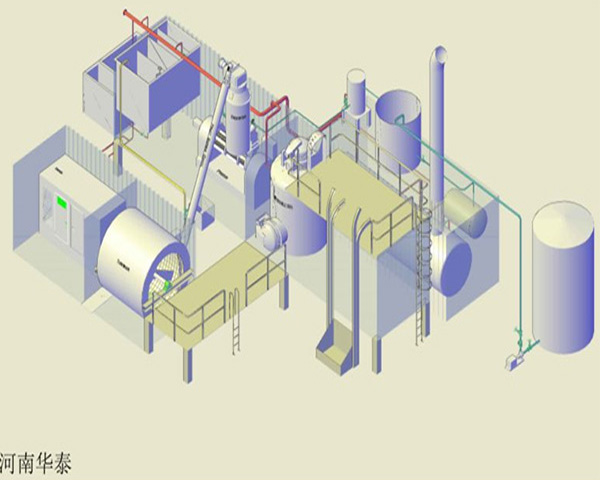
In the palm oil processing industry, one of the most common questions asked by investors and production managers is: How many palm fruits are needed to produce one ton of palm oil? The answer to this question directly affects raw material procurement budgets, equipment selection, processing costs, and ultimately profit margins. As a professional oilseed machinery manufacturer, we will combine years of industry experience to answer this question in detail and introduce how advanced palm oil extraction equipment can improve oil yield, reduce raw material consumption, and achieve higher economic returns.
1. How many palm fruits are needed to produce one ton of palm oil? Here is the standard answer
According to industry standards and extensive actual production data, producing 1 ton of crude palm oil (CPO) requires approximately 2.5 to 3 tons of fresh fruit bunches (FFB). In other words, the oil yield per ton of palm fruit bunches is typically between 20% and 24%. The exact figure is not fixed but is significantly affected by the following four main factors:
1. Palm fruit variety: Different varieties have significantly different oil content. High-quality hybrid varieties can produce 0.22–0.25 tons of oil per ton of bunches, while traditional varieties may produce only 0.18–0.20 tons.
2. Fruit ripeness: Fully ripe palm fruits are orange-red in color with soft flesh, achieving peak oil yield. Unripe or overripe fruits will significantly reduce oil yield.
3. Processing technology: Traditional small-scale pressing equipment and methods have lower oil yields, while modern palm oil press machines (such as hydraulic presses and twin-screw presses) can stabilize oil yield at 20%–24%.
4. Equipment performance: Efficient sterilization, threshing, pressing, and separation equipment can maximize oil extraction from the fruit pulp and reduce oil content in the residue.
Calculation formula and example
Palm fruit requirement (tons) = 1 ton of palm oil ÷ oil yield (%)
– At 20% oil yield: 1 ÷ 0.20 = 5 tons of palm fruit bunches
– At 24% oil yield: 1 ÷ 0.24 ≈ 4.17 tons of palm fruit bunches
However, in actual industrial production, due to the presence of empty fruit bunches, impurities, and moisture, the industry empirical value is typically 2.5–3 tons. If your palm oil processing line is efficient enough, you can even achieve 2.3–2.7 tons of bunches per ton of palm oil.
2. Five key factors affecting palm fruit oil yield (in-depth analysis)
To properly answer “how many palm fruits are needed to produce one ton of palm oil,” we must understand the factors behind it. Here are the five most critical aspects:
2.1 Fruit processing efficiency – every detail from fresh fruit bunch to pressing
Once fresh palm fruit bunches enter the factory, they go through a series of steps including sterilization, threshing, digestion, and pressing. If any step causes losses, the final oil yield will be directly reduced. For example:
– Insufficient sterilization: The pulp does not separate easily from the nut, making pressing difficult.
– Incomplete threshing: Some fruits remain on the bunches and are discarded as waste.
Using continuous sterilizers and high-efficiency threshing systems in palm oil extraction equipment can significantly reduce fruit loss and increase oil yield by 2%–5%.
2.2 Degree of equipment automation – manual operation is a hidden “oil thief”
Many small and medium-sized palm oil mills still rely on manual control of temperature, pressing time, and feed rate. This approach is not only inefficient but also prone to:
– Overheating, which damages oil quality and increases residual oil in the cake
– Insufficient pressing time, leaving oil unextracted from the pulp
A fully automatic PLC-controlled palm oil processing line can precisely control the parameters of each step, ensuring an additional 10–15 kg of palm oil per ton of fruit bunches. At current market prices, a line processing 100 tons of bunches per day can generate millions of additional revenue annually.
2.3 Palm kernel separation technology – don’t let oil “hide” in the nut
Many people are unaware that palm kernels themselves contain a certain amount of oil (palm kernel oil), but more importantly, after pressing, the surface of the palm kernels often retains residual pulp. If separation is incomplete, this oil-rich pulp is discarded along with the kernel shells, causing waste.
Advanced vertical hydrocyclone separators or multi-stage screening systems can achieve over 99% kernel-pulp separation, ensuring that the pulp residue on the kernels is less than 1%. This not only improves the overall oil yield but also increases the recovery value of palm kernel oil.
2.4 Pressing pressure and temperature – high pressure & low temperature are the golden rules
Traditional screw presses, though simple in structure, often suffer from insufficient pressure and excessive pressing temperature. High-pressure, low-temperature pressing technology is an effective means to improve palm fruit oil yield:
– High pressure (e.g., above 55 MPa) thoroughly ruptures fruit pulp cells, releasing more oil.
– Low temperature (generally controlled below 80°C) avoids oil oxidation while maintaining oil color and flavor.
Professional palm oil press machines using hydraulic or twin-screw designs can operate stably under high-pressure, low-temperature conditions, increasing oil yield by 3%–6% compared to traditional equipment. This means you can obtain an additional 30–60 kg of palm oil per ton of palm fruit processed.
2.5 Wastewater and residue utilization – the last mile to turn waste into treasure
The palm oil pressing process generates a large amount of wastewater (palm oil mill effluent, POME). This wastewater typically contains 0.5%–1% suspended oil. Without recovery, not only is this a waste of resources, but it also increases the burden of wastewater treatment.
A three-phase decanter centrifuge is the core solution to this problem. It efficiently separates oil, water, and solid residues from wastewater, recovering an additional 0.5%–1% of oil. For a plant producing 100 tons of palm oil per day, this means an extra 0.5–1 ton of oil daily – hundreds of tons per year.
3. How does high-efficiency palm oil extraction equipment help you reduce palm fruit consumption?
Now that we know the answer to “how many palm fruits are needed to produce one ton of palm oil” depends on equipment efficiency, choosing a high-performance palm oil processing line directly helps you reduce raw material consumption. Below are the actual improvements we provide to our customers:
| Indicator | Industry average | After adopting high-efficiency equipment |
| Oil yield per ton of fruit bunches | 18%–20% | 22%–24% |
| Fruit bunches needed per ton of palm oil | 2.5–3 tons | 2.3–2.7 tons |
| Raw material savings | — | ~10% |
| Processing energy consumption | Baseline | Reduced by 15%–20% |
This means that if you process 100,000 tons of palm fruit bunches annually, using high-efficiency palm oil extraction equipment can save about 10,000 tons of raw material while producing hundreds of additional tons of palm oil – very significant economic benefits.
4. Key advantages of core palm oil equipment (with internal links)
The following equipment is central to improving oil yield and reducing fruit bunch consumption. Click the links to view detailed product pages:
4.1 Twin-screw palm fruit oil press
– Patented screw design combining crushing and pressing
– 18% higher oil extraction efficiency than traditional single-screw presses
– Suitable for large-scale continuous production
👉 Learn more about the twin-screw palm oil press
4.2 Vertical sterilizer
– Uniform steam heating to thoroughly soften palm fruit pulp
– Residual oil rate below 0.5% before pressing, greatly reducing fruit loss
– Integrated sterilization, cooking, and threshing design
4.3 Palm kernel separation system
– Multi-stage screening + gravity/hydrocyclone separation
– Pulp residue on palm kernels below 1%
– Improves overall oil yield and increases palm kernel oil recovery
4.4 Three-phase decanter centrifuge
– Recovers residual oil from press wastewater
– Extracts an additional 0.5%–1% of oil
– Reduces environmental treatment pressure and turns waste into resource
5. Frequently Asked Questions (FAQ)
Q: Why do some manufacturers say 2.3 tons of palm fruits can produce one ton of oil?
A: This figure is typically achieved under ideal conditions (high-quality variety, fully ripe fruits, efficient equipment, skilled operation). Our guaranteed range is 2.3–2.7 tons, depending on the raw material and equipment configuration.
Q: Is higher oil yield always better?
A: As long as oil quality is maintained, higher oil yield is better. However, excessive pressing or too high a temperature can increase oil acidity and darken color, lowering product grade. High-quality palm oil extraction equipment strikes the best balance between oil yield and oil quality.
Q: How long will it take to recover the investment in a high-efficiency palm oil processing line?
A: Based on customer feedback, thanks to raw material savings, increased output, and lower energy consumption, the investment is typically recovered within 6 to 18 months, depending on processing scale.
6. How to choose the most suitable palm oil extraction equipment for your needs?
Answering “how many palm fruits are needed to produce one ton of palm oil” is essentially a test of your plant’s equipment efficiency. To minimize raw material consumption and maximize profitability, we recommend:
1. Prioritize fully automatic, low-residual-oil palm oil pressing equipment to avoid waste from manual operations.
2. Integrate auxiliary systems, including palm kernel separation, wastewater oil recovery, and empty fruit bunch treatment – to get the most out of every input.
3. Request a clear oil yield guarantee from the manufacturer and include performance indicators in the contract.
4. Choose a manufacturer with extensive project experience and after-sales service to ensure long-term stable operation of your production line.
7. Contact us to get your customized palm oil processing solution
Whether you plan to build a small palm oil mill processing 10 tons per day or a large-scale line processing 1,000 tons per day, we can provide you with a one-stop service from process design and equipment manufacturing to installation, commissioning, and technical training. Based on the actual characteristics of your palm fruits – including variety, moisture content, and oil content – we will tailor the most efficient palm oil extraction equipment solution to help you produce one ton of high-quality palm oil using the fewest palm fruits.