

How to Set Up a Coconut Oil Factory? A Complete Step-by-Step Guide
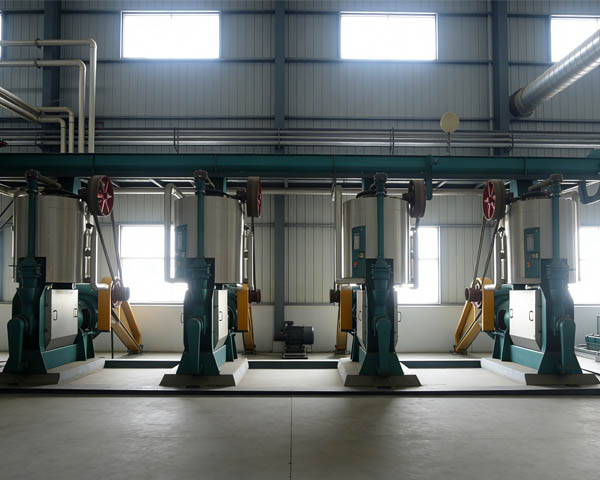
Coconut oil is an important edible oil and industrial raw material, favored for its rich nutritional value and wide range of applications. The demand for coconut oil continues to grow in the global market. Setting up a coconut oil factory is a complex project that involves multiple aspects and requires careful planning from market research to production operations. This article outlines the complete steps for establishing a factory, helping you move forward steadily with your project.
1.Market Research: Identify the Right Direction
Before officially setting up the factory, market research is an essential first step. By understanding the market demand for coconut oil, price trends, key competitors, and the preferences of your target customers, you can develop a more reasonable production plan and sales strategy. The findings will also directly influence your equipment selection and production scale.
2. Site Selection: Balancing Raw Materials and Logistics
The choice of factory location directly affects operating costs and growth potential. An ideal site should be close to coconut-producing areas to facilitate the procurement and transportation of raw materials. At the same time, factors such as water and electricity supply, transportation convenience, and employee living conditions should also be considered. A well-chosen location lays a solid foundation for the long-term stable operation of the factory.
3. Equipment Procurement: Choosing Reliable Oil Press Equipment
The production process for coconut oil includes several stages such as shelling, crushing, pressing, and refining, requiring a variety of specialized equipment. Among these, coconut oil press equipment is the core of the entire production line, directly determining oil yield and product quality.
When selecting equipment, it is recommended to focus on stability, oil extraction efficiency, energy consumption, and ease of maintenance. A reliable set of oil press equipment not only improves production efficiency but also reduces long-term operating costs. If you are looking for a suitable equipment supplier, feel free to explore the coconut oil mill equipment on our website. This series features advanced pressing technology, is suitable for various oil-bearing materials such as coconut and palm kernel, and offers stable operation and user-friendly handling—making it an excellent choice for small to medium-sized oil processing plants.
4. Raw Material Procurement: Establishing a Stable Supply Chain
The primary raw material for coconut oil production is coconuts, so it is essential to establish a stable supply channel. You can build long-term partnerships with local farmers or coconut plantations to ensure the quality and quantity of raw materials meet production needs.
5. Production Process Design: Thoughtful Layout
Every step, from coconut processing to oil refining, needs to be carefully designed. Developing a detailed production process not only helps improve production efficiency but also ensures product quality consistency. A well-planned equipment layout can reduce material handling time and enhance overall operational efficiency.
6. Personnel Training: Building a Skilled Team
Even the most advanced equipment requires skilled operators to achieve optimal results. It is advisable to arrange hands-on training for operators during the equipment installation and commissioning phase, helping them become familiar with the production process and equipment operation. A skilled team is key to maintaining an efficient production line.
7. Brand Promotion: Increasing Market Visibility
Once the factory is established, the next priority is to build market awareness. You can increase your product’s visibility and market share by participating in industry exhibitions, conducting online and offline marketing activities, and collaborating with food processing companies.
8. Quality Control: Managing from the Source
Establishing a sound quality control system is essential for ensuring product quality. Strictly screen and test raw materials, monitor critical stages in the production process, and ensure the final product meets relevant standards and regulatory requirements. The ease of cleaning and stability of the equipment itself also support effective quality control.
9. Safety: Preventing Accidents
Safety is crucial during coconut oil production. Develop a comprehensive safety management system, strengthen safety training and awareness among employees, and ensure that no safety accidents occur during production. These measures are fundamental to the normal operation of the factory.
10. Environmental Governance: Sustainable Development
The construction of the factory must comply with environmental requirements. Properly manage waste and wastewater generated during production to minimize environmental impact. Choosing energy-efficient equipment not only reduces operating costs but also aligns with the industry trend toward green production.
Setting up a coconut oil factory involves multiple areas including market, equipment, raw materials, personnel, quality, safety, and environmental protection—each of which requires careful attention. When selecting equipment, choosing reliable coconut oil press equipment will help your production line run more smoothly. If you would like to learn more about coconut oil production equipment, please visit our website for detailed product information and application examples.